
Modern healthcare is changing quickly, and patients today expect faster answers, clearer options, and more control over how they receive care. Instead of relying on a single provider or reacting only when symptoms become severe, people are now navigating a broader system that includes preventive care, urgent services, and integrated treatment options.
This shift is driven by several factors:
- Increased access to information and digital health tools
- Growing demand for convenience and same-day solutions
- Rising awareness of preventive health strategies
- Expanded coordination between different medical specialties
As a result, understanding how to move through modern healthcare pathways is just as important as the treatments themselves. Knowing where to go, when to go, and what to expect can significantly improve health outcomes while reducing stress, cost, and delays.
Building Consistent Preventive Care Habits

Access to routine healthcare is one of the strongest predictors of long-term wellness. Establishing a trusted care provider helps individuals catch issues early and avoid complications that require more invasive treatment later. When patients delay care, small issues often progress into larger problems that require more time, cost, and recovery effort to resolve.
Regular visits to the dentist allow patients to:
- Detect early signs of decay, infection, or structural issues
- Maintain long-term oral and systemic health
- Receive professional cleaning that prevents chronic disease
- Build a relationship with a provider who understands their history
Consistent preventive care also helps identify patterns over time. For example, recurring sensitivity, gum inflammation, or enamel wear may signal underlying habits or health conditions that need attention. Early identification allows providers to recommend simple adjustments rather than complex dental services later.
Another important benefit is reduced emergency intervention. Patients who stay consistent with checkups are significantly less likely to experience sudden pain or urgent complications that require immediate treatment. Preventive care also improves confidence, as individuals are less likely to face unexpected health disruptions.
Practical steps to improve preventive care access:
- Schedule routine visits every 6 months
- Keep a personal health record of past treatments
- Ask providers about early warning signs of common conditions
- Use reminders or digital calendars to avoid missed appointments
- Maintain basic daily hygiene habits between visits
- Discuss lifestyle factors such as diet, stress, and sleep that impact long-term health
Preventive care is not just about treatment—it is about consistency, education, and long-term planning. Over time, these habits reduce risk, improve outcomes, and create a more stable foundation for overall well-being.
Supporting Mobility and Physical Balance in Daily Life

Musculoskeletal health plays a major role in overall quality of life. Pain, stiffness, or reduced mobility can affect work, sleep, and even mental health if left untreated. Even mild discomfort can gradually alter movement patterns, leading to compensation injuries in other parts of the body such as the knees, hips, or lower back.
Effective strategies for maintaining physical balance:
- Address discomfort early before it becomes chronic
- Incorporate stretching or low-impact movement into daily routines
- Evaluate posture and ergonomic habits at work
- Seek professional evaluation for persistent pain in joints or feet
- Visit a chiropractic clinic to help with alignment
Patients often benefit from combining clinical care with at-home habits:
- Wearing supportive footwear that matches foot structure and activity level
- Avoiding prolonged inactivity, especially during long work or travel hours
- Applying ice or heat therapy when appropriate to manage inflammation or stiffness
- Following structured rehabilitation plans tailored to individual recovery needs
- Using mobility aids or orthotics when recommended by a professional
In addition, strengthening surrounding muscle groups can significantly improve stability and reduce recurrence of pain. Core exercises, balance training, and controlled movement practices such as yoga or physical therapy routines can help reinforce proper alignment.
Early intervention is critical. Even minor discomfort can escalate if ignored, making proactive care essential for long-term mobility. Consistency in both professional treatment, like toe pain treatment, and daily habits creates the strongest foundation for sustained physical health and functional independence.
Navigating Fast-Response Care Options
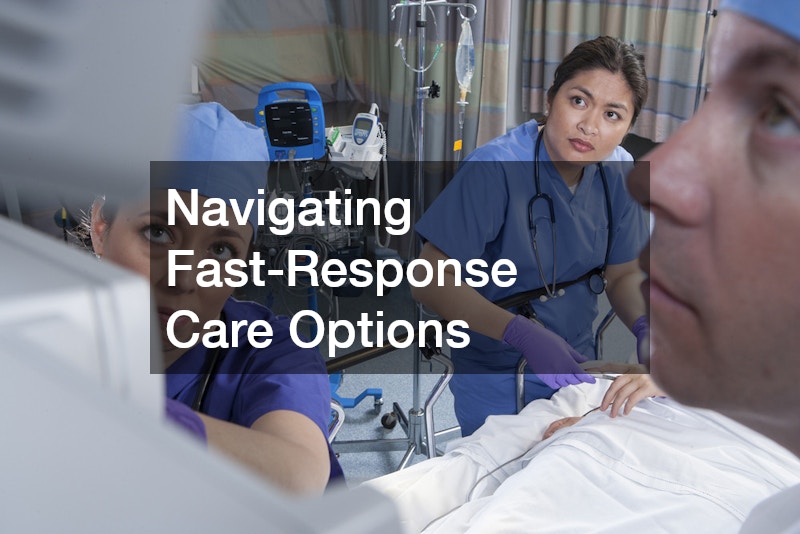
Not all medical concerns can wait for scheduled appointments. Modern healthcare systems increasingly offer fast-response services designed to address urgent needs efficiently. These options are designed to bridge the gap between routine care and critical emergency intervention, helping patients receive timely treatment without unnecessary delays.
Understanding when to choose each option is essential:
- Same-day services are ideal for sudden but non-life-threatening issues
- Visits to emergency rooms are necessary for severe trauma, uncontrolled bleeding, or life-threatening symptoms
Many patients delay care because they are unsure of severity, but this hesitation can sometimes worsen outcomes. For example, a cracked tooth or sudden swelling may not seem urgent at first but can progress quickly if infection develops, making a same day dentist appointment crucial. On the other hand, chest pain, severe head injury, or uncontrollable bleeding should always be treated as emergencies without delay.
Helpful guidelines for urgent situations:
- Evaluate severity: pain level, bleeding, or functional impairment
- Contact providers ahead of arrival when possible to confirm availability
- Prepare essential medical information (medications, allergies, recent procedures)
- Avoid delaying care when symptoms escalate rapidly
- Bring identification and insurance information if accessible
- Stay calm and avoid self-treatment for severe symptoms that require evaluation
Key differences:
- Same-day services focus on rapid resolution of localized issues such as pain, minor infections, or sudden discomfort
- Emergency facilities prioritize stabilization and critical intervention for life-threatening or rapidly worsening conditions
Another important factor is accessibility. Same-day services are often appointment-based but flexible, while emergency departments operate 24/7 and are equipped for complex diagnostics, imaging, and immediate intervention.
Knowing how to differentiate between these options can save time, reduce complications, and improve outcomes. Clear decision-making during urgent situations ensures patients receive the right level of care at the right time, which is often critical for recovery and long-term health.
Expanding Access to Advanced Restoration Options

Coordinated Support for Maternal Health
Integrating Wellness and Recovery Practices
Effective Response to Injury and Healing Needs
Timely and appropriate wound care treatment is critical in preventing complications such as infection, delayed healing, or long-term damage.
Key steps in proper injury response:
- Clean and assess the severity of the wound immediately
- Seek professional evaluation for deep or contaminated injuries
- Monitor for signs of infection such as redness, swelling, or fever
- Follow prescribed treatment plans carefully
At-home support practices:
- Keep wounds clean and dry
- Change dressings regularly
- Avoid disrupting healing tissue
- Follow medication instructions precisely
Severe cases require immediate escalation to emergency care, especially when bleeding cannot be controlled or when trauma is significant.
Choosing the Right Care Pathway for Each Situation
Understanding how to navigate different healthcare options is essential in today’s complex medical environment. Patients benefit most when they can quickly identify the appropriate level of care.
Key decision-making strategies:
- Match symptom severity to care type
- Consider timing and urgency
- Evaluate available local resources
- Use telehealth or triage services when uncertain
General guidance:
- Preventive care for routine needs
- Specialized clinics for ongoing conditions
- Urgent care for sudden but manageable issues
- Emergency facilities for life-threatening situations
Additional tips:
- Keep a list of local providers for quick access
- Learn basic symptom triage principles
- Maintain updated personal health records
- Use digital tools for appointment scheduling and reminders
A well-informed approach reduces delays and improves both efficiency and outcomes.
Modern healthcare pathways are designed to give individuals more flexibility, faster access, and better overall outcomes when navigating medical needs. From preventive routines to urgent interventions and long-term treatment planning, today’s systems offer more options than ever before.
However, access alone is not enough. Patients who actively engage in understanding their care options, recognizing symptoms early, and choosing the right level of service are far more likely to experience better health outcomes.
By building awareness, maintaining consistency, and using available resources strategically, individuals can take full advantage of modern healthcare systems and create a more proactive approach to long-term well-being.