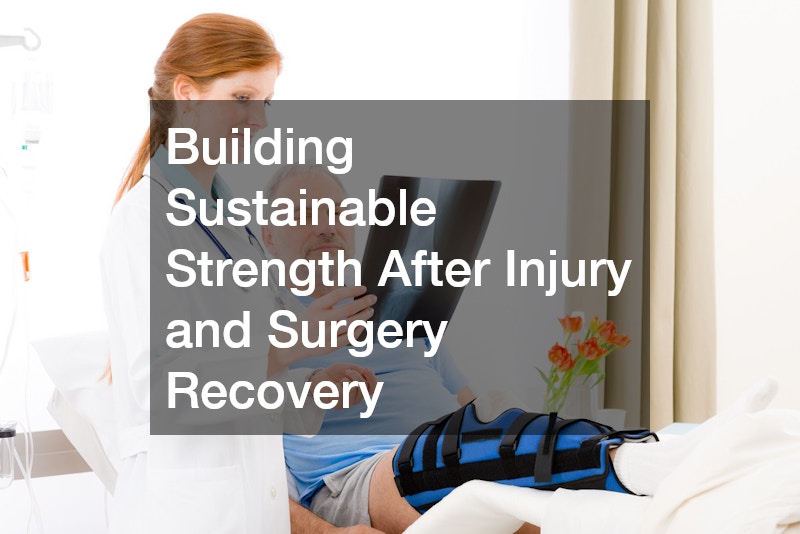
Recovering from an injury or surgery is often misunderstood as a short-term process focused only on eliminating pain. In reality, true recovery is about rebuilding strength, restoring confidence in movement, and creating habits that prevent future setbacks. Many people return to activity too quickly or rely on inconsistent advice, which often leads to reinjury or prolonged discomfort.
A successful recovery requires patience, structure, and a combination of professional guidance and self-awareness. It is not just about healing tissues but also retraining the body to move efficiently and safely again. When approached correctly, recovery becomes an opportunity to build a stronger, more resilient version of yourself than before the injury occurred.
This guide explores how to rebuild strength sustainably, step by step, while integrating practical strategies that support long-term health.
Understanding How the Body Rebuilds Strength After Injury
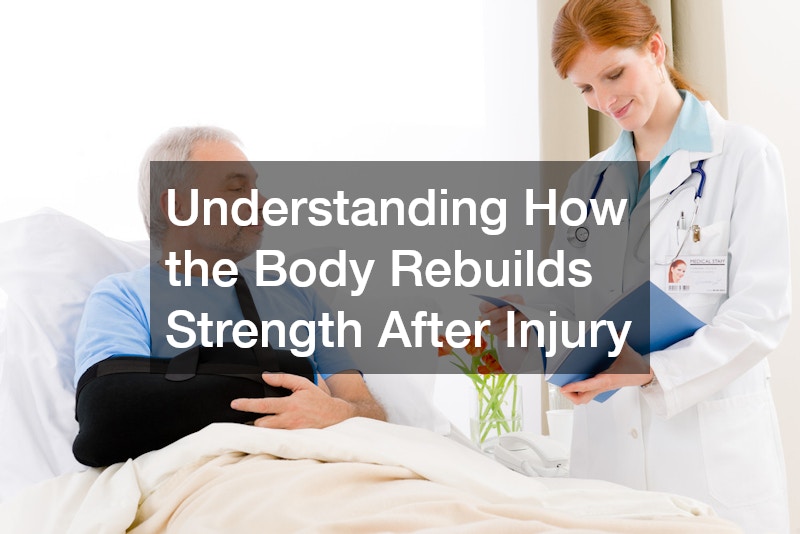
After injury or surgery, the body goes through several stages of healing: inflammation, repair, and remodeling. Each stage requires a different level of movement, load, and support. Understanding this process helps prevent rushing or undertraining, both of which can slow recovery or lead to reinjury. During inflammation, the body is focused on protecting the affected area, which is why swelling, warmth, and discomfort are common. In the repair phase, new tissue begins to form, but it is still fragile and highly sensitive to excessive stress. The remodeling phase is where that new tissue gradually strengthens and becomes more organized, allowing for a return to normal function and eventually higher performance.
Early movement is often essential, but it must be carefully controlled. Gentle mobility helps prevent stiffness, improves circulation, and supports tissue repair. Even small, consistent movements can make a significant difference in preventing adhesions and maintaining joint health. As healing progresses, strength training becomes increasingly important to restore function, but it must be introduced at the right time and intensity to avoid disrupting healing tissues.
Key principles of early recovery include:
- Prioritizing controlled movement over intensity
- Gradually increasing load to avoid stress on healing tissues
- Focusing on symmetry and balanced movement patterns
- Listening to pain signals rather than pushing through them
Another important but often overlooked factor is patience with progression speed. Healing timelines vary widely depending on age, overall health, type of injury, and surgical complexity. Comparing recovery progress to others can lead to unnecessary setbacks.
Working with a professional during this stage ensures recovery is both safe and efficient. The role of physical therapy is especially important here, as it provides structured progression based on individual healing stages. A physical therapist evaluates movement patterns, identifies weaknesses, and builds a plan tailored to the specific injury or surgery. This individualized approach helps ensure that each stage of recovery is completed before advancing, reducing the risk of complications and supporting long-term strength development.
Early Movement and Pain Management Strategies
In the early stages of recovery, the goal is not to build strength but to restore comfortable, pain-free movement. This stage often determines how smoothly long-term recovery will progress, because it sets the foundation for everything that follows. If movement is reintroduced too aggressively, the body may develop protective guarding patterns that limit mobility and slow healing. On the other hand, avoiding movement entirely can lead to stiffness, reduced circulation, and delayed recovery.
Some individuals benefit from manual and integrative care approaches that help reduce stiffness and improve mobility. Gentle spinal and joint adjustments, combined with movement education, can support alignment and reduce compensation patterns that develop after injury. These compensation patterns often appear when the body avoids pain by shifting load to other areas, which can create new imbalances if not corrected early.
In some cases, complementary therapies are used alongside movement-based care to support recovery comfort and circulation. These approaches are not meant to replace rehabilitation exercises but to enhance the body’s readiness for them by reducing pain and improving range of motion.
Helpful early-stage strategies include:
- Short, frequent movement sessions rather than long workouts
- Passive and assisted range-of-motion exercises
- Breathing techniques to reduce tension and pain sensitivity
- Heat and cold therapy depending on inflammation levels
Chiropractors often assist during this phase by addressing joint restrictions that limit movement efficiency. By improving joint mechanics, they can help reduce strain on surrounding muscles and support smoother movement patterns during daily activities.
Meanwhile, acupuncture may be used to support pain relief and improve circulation, especially in individuals experiencing muscle tightness or post-surgical discomfort. It can also help regulate the nervous system’s pain response, making movement feel more tolerable and less guarded.
Additional supportive strategies can include gentle walking, guided stretching, and posture awareness during everyday tasks like sitting or standing. These small, consistent efforts help reintroduce movement without overwhelming healing tissues.
Together, these approaches help create a more comfortable and stable foundation for active rehabilitation, ensuring the body is prepared for more structured strength-building work in later stages of recovery.
Rebuilding Core Stability and Functional Movement
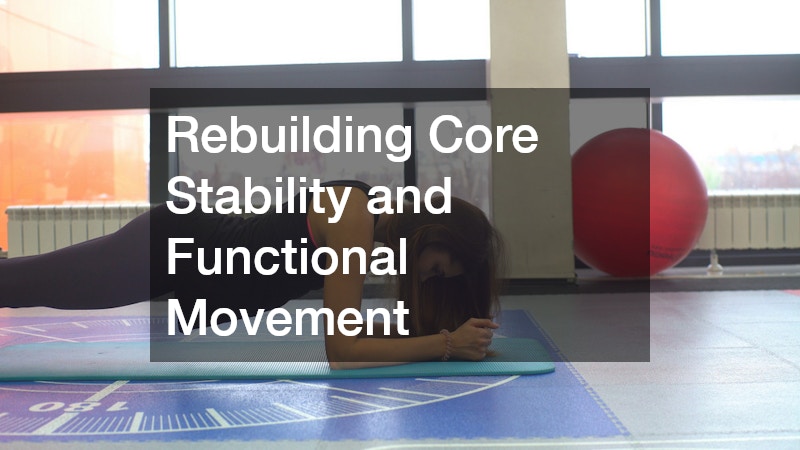
Once pain is under control and basic mobility is restored, the focus shifts to rebuilding core stability and functional strength. This stage is critical because the core acts as the foundation for nearly all movement, including standing, walking, lifting, and even simple daily activities like bending or twisting. Without adequate core control, the body relies on surrounding muscles in inefficient ways, which can lead to fatigue, imbalance, and increased injury risk over time.
Weakness or imbalance in core muscles often leads to compensation patterns, which can increase the risk of reinjury. These patterns may not always be obvious at first, but they gradually affect posture, joint loading, and movement efficiency. Training at this stage should be gradual and highly controlled, focusing on quality of movement rather than intensity or volume.
For many individuals,
A structured approach includes:
- Activating deep core muscles before larger muscle groups
- Performing slow, controlled movements with proper alignment
- Integrating breathing with movement for better muscle engagement
- Progressing from static holds to dynamic functional exercises
Additional emphasis should also be placed on coordination between the core and lower extremities, as true functional strength depends on how well the entire kinetic chain works together. Simple movements like controlled squats, bridges, or step-ups can help retrain these connections when performed correctly.
A physical therapist typically guides this process to ensure that movement patterns are correct and that strength is rebuilt evenly across the body. They also monitor for signs of compensation and adjust exercises accordingly, helping reduce strain on vulnerable areas. Over time, this structured progression builds not only strength but also confidence in movement, reducing fear of reinjury and supporting long-term durability.
Structured Rehabilitation and Guided Recovery Programs
As recovery progresses, structured rehabilitation becomes essential for rebuilding strength safely and effectively. This phase focuses on gradually increasing resistance, endurance, and functional ability while carefully preventing setbacks that can occur from progressing too quickly. At this stage, the body is ready for more challenge, but it still requires guidance to ensure that new strength is built on a stable and balanced foundation.
Rehabilitation environments provide access to specialized equipment, professional supervision, and tailored programming that helps individuals progress safely through each stage of recovery. Unlike unsupervised exercise, structured rehab ensures that each movement has a purpose and is aligned with the individual’s healing status, limitations, and long-term goals.
Rehab programs typically include:
- Strength training with progressive resistance
- Balance and coordination exercises
- Functional movement training specific to daily activities
- Regular reassessments to adjust intensity and goals
In addition to these core elements, many programs also incorporate cardiovascular conditioning at a controlled pace, flexibility training, and injury-specific corrective exercises. This comprehensive approach helps rebuild not only strength but also endurance and movement efficiency, both of which are essential for returning to normal activity safely.
Many individuals benefit from rehab centers that offer a multidisciplinary approach. These facilities often combine physical therapy, strength training, and recovery monitoring under one structured system, ensuring consistency and safety throughout the process. Having multiple specialists working together allows for more accurate tracking of progress and faster identification of any movement issues or setbacks.
In this environment, physical therapy remains a core component, helping patients transition from clinical recovery to independent movement with confidence. Therapists continuously adjust exercises based on performance and recovery response, ensuring that strength is rebuilt evenly and that functional movement patterns are fully restored before discharge from structured care.
Planning for Long-Term Recovery Success
Sustainable recovery extends far beyond the initial rehabilitation phase. Many people experience setbacks because they stop structured care too early or fail to plan for long-term maintenance.
This is where long-term planning becomes essential. Recovery should be viewed as an ongoing process that includes prevention, maintenance, and adaptation over time.
Effective long-term planning includes:
- Setting realistic short- and long-term recovery goals
- Identifying potential risk factors for reinjury
- Scheduling regular reassessments with professionals
- Building flexibility into fitness and activity routines
life care planning services can help individuals map out long-term recovery strategies, especially for complex injuries or surgeries. These services ensure that future medical needs, therapy sessions, and lifestyle adjustments are accounted for in advance, reducing uncertainty and improving outcomes.
Supporting Weight and Metabolic Recovery During Healing
Recovery is not only about strength—it is also influenced by body composition, metabolism, and energy balance. Excess weight can place additional stress on healing joints and tissues, slowing progress.
For individuals needing structured support, a weight loss clinic can provide medically guided programs that align nutrition, movement, and behavioral strategies with recovery goals.
Helpful approaches during this stage include:
- Gradual, sustainable dietary changes rather than restrictive dieting
- Low-impact cardiovascular activity to support joint health
- Strength training to preserve lean muscle mass
- Behavioral coaching to build long-term consistency
The goal is not rapid weight loss, but creating a body environment that supports healing and reduces physical stress during recovery.
Improving Mobility and Reducing Compensation Patterns
As strength improves, attention must shift toward mobility, alignment, and efficient movement patterns. After injury, the body often develops compensations that can persist even after pain is gone.
These imbalances can lead to recurring issues if not addressed properly.
Strategies for improving movement quality include:
- Postural training during daily activities
- Mobility drills targeting stiff or restricted joints
- Strengthening weaker muscle groups to restore balance
- Regular movement assessments to track progress
Chiropractors may assist by addressing spinal and joint alignment issues that affect overall movement efficiency. Acupuncture can also support this stage by reducing muscle tension and improving tissue responsiveness, allowing for smoother movement patterns.
Together, these approaches help the body move more naturally and reduce long-term strain.
Building Confidence and Long-Term Routine Consistency
Physical recovery is closely tied to mental confidence. Many individuals struggle with fear of reinjury, which can limit progress even after physical healing is complete.
Rebuilding confidence requires gradual exposure to movement and consistent reinforcement of progress.
A physical therapist plays a key role in this stage by guiding patients through progressively challenging exercises that rebuild trust in their body.
Helpful strategies include:
- Tracking small improvements over time
- Gradually returning to complex movements or activities
- Using structured exercise programs instead of random workouts
- Celebrating functional milestones rather than focusing only on pain reduction
physical therapy remains central during this phase, helping individuals transition from supervised rehab to independent maintenance with confidence and control.
Supporting Overall Health Beyond Physical Recovery
Long-term wellness extends beyond injury recovery and includes overall health maintenance, including structural and dental health. These factors contribute to confidence, nutrition, and general well-being.
For example, cosmetic and structural dental improvements can enhance both confidence and function. Treatments like teeth whitening and orthodontic care using invisalign aligners support oral health and self-esteem, which often play a role in overall recovery motivation and lifestyle consistency.
Maintaining general health includes:
- Regular preventive medical and dental checkups
- Continued physical activity to maintain strength
- Balanced nutrition to support tissue health
- Stress management practices for long-term wellness
Recovery is most successful when viewed as part of a broader commitment to lifelong health rather than a temporary phase.
Building sustainable strength after injury or surgery is a gradual process that requires patience, structure, and long-term commitment. True recovery is not just about eliminating pain but about restoring movement quality, rebuilding confidence, and creating habits that support lifelong resilience.
When approached correctly, recovery becomes an opportunity to improve overall function, not just return to baseline. By combining professional guidance, structured progression, and consistent self-care, individuals can achieve lasting strength and significantly reduce the risk of future setbacks.
Recovering from an injury or surgery is often misunderstood as a short-term process focused only on eliminating pain. In reality, true recovery is about rebuilding strength, restoring confidence in movement, and creating habits that prevent future setbacks. Many people return to activity too quickly or rely on inconsistent advice, which often leads to reinjury or prolonged discomfort.
A successful recovery requires patience, structure, and a combination of professional guidance and self-awareness. It is not just about healing tissues but also retraining the body to move efficiently and safely again. When approached correctly, recovery becomes an opportunity to build a stronger, more resilient version of yourself than before the injury occurred.
This guide explores how to rebuild strength sustainably, step by step, while integrating practical strategies that support long-term health.
Understanding How the Body Rebuilds Strength After Injury
After injury or surgery, the body goes through several stages of healing: inflammation, repair, and remodeling. Each stage requires a different level of movement, load, and support. Understanding this process helps prevent rushing or undertraining, both of which can slow recovery or lead to reinjury. During inflammation, the body is focused on protecting the affected area, which is why swelling, warmth, and discomfort are common. In the repair phase, new tissue begins to form, but it is still fragile and highly sensitive to excessive stress. The remodeling phase is where that new tissue gradually strengthens and becomes more organized, allowing for a return to normal function and eventually higher performance.
Early movement is often essential, but it must be carefully controlled. Gentle mobility helps prevent stiffness, improves circulation, and supports tissue repair. Even small, consistent movements can make a significant difference in preventing adhesions and maintaining joint health. As healing progresses, strength training becomes increasingly important to restore function, but it must be introduced at the right time and intensity to avoid disrupting healing tissues.
Key principles of early recovery include:
- Prioritizing controlled movement over intensity
- Gradually increasing load to avoid stress on healing tissues
- Focusing on symmetry and balanced movement patterns
- Listening to pain signals rather than pushing through them
Another important but often overlooked factor is patience with progression speed. Healing timelines vary widely depending on age, overall health, type of injury, and surgical complexity. Comparing recovery progress to others can lead to unnecessary setbacks.
Working with a professional during this stage ensures recovery is both safe and efficient. The role of physical therapy is especially important here, as it provides structured progression based on individual healing stages. A physical therapist evaluates movement patterns, identifies weaknesses, and builds a plan tailored to the specific injury or surgery. This individualized approach helps ensure that each stage of recovery is completed before advancing, reducing the risk of complications and supporting long-term strength development.
Early Movement and Pain Management Strategies
In the early stages of recovery, the goal is not to build strength but to restore comfortable, pain-free movement. This stage often determines how smoothly long-term recovery will progress, because it sets the foundation for everything that follows. If movement is reintroduced too aggressively, the body may develop protective guarding patterns that limit mobility and slow healing. On the other hand, avoiding movement entirely can lead to stiffness, reduced circulation, and delayed recovery.
Some individuals benefit from manual and integrative care approaches that help reduce stiffness and improve mobility. Gentle spinal and joint adjustments, combined with movement education, can support alignment and reduce compensation patterns that develop after injury. These compensation patterns often appear when the body avoids pain by shifting load to other areas, which can create new imbalances if not corrected early.
In some cases, complementary therapies are used alongside movement-based care to support recovery comfort and circulation. These approaches are not meant to replace rehabilitation exercises but to enhance the body’s readiness for them by reducing pain and improving range of motion.
Helpful early-stage strategies include:
- Short, frequent movement sessions rather than long workouts
- Passive and assisted range-of-motion exercises
- Breathing techniques to reduce tension and pain sensitivity
- Heat and cold therapy depending on inflammation levels
Chiropractors often assist during this phase by addressing joint restrictions that limit movement efficiency. By improving joint mechanics, they can help reduce strain on surrounding muscles and support smoother movement patterns during daily activities.
Meanwhile, acupuncture may be used to support pain relief and improve circulation, especially in individuals experiencing muscle tightness or post-surgical discomfort. It can also help regulate the nervous system’s pain response, making movement feel more tolerable and less guarded.
Additional supportive strategies can include gentle walking, guided stretching, and posture awareness during everyday tasks like sitting or standing. These small, consistent efforts help reintroduce movement without overwhelming healing tissues.
Together, these approaches help create a more comfortable and stable foundation for active rehabilitation, ensuring the body is prepared for more structured strength-building work in later stages of recovery.
Rebuilding Core Stability and Functional Movement
Once pain is under control and basic mobility is restored, the focus shifts to rebuilding core stability and functional strength. This stage is critical because the core acts as the foundation for nearly all movement, including standing, walking, lifting, and even simple daily activities like bending or twisting. Without adequate core control, the body relies on surrounding muscles in inefficient ways, which can lead to fatigue, imbalance, and increased injury risk over time.
Weakness or imbalance in core muscles often leads to compensation patterns, which can increase the risk of reinjury. These patterns may not always be obvious at first, but they gradually affect posture, joint loading, and movement efficiency. Training at this stage should be gradual and highly controlled, focusing on quality of movement rather than intensity or volume.
For many individuals, pelvic floor therapy plays a significant role in restoring core stability, especially after abdominal or lower back surgeries. It helps retrain deep stabilizing muscles that support posture and movement efficiency. These muscles are often difficult to activate without guided instruction, and targeted therapy ensures they are properly engaged during movement.
A structured approach includes:
- Activating deep core muscles before larger muscle groups
- Performing slow, controlled movements with proper alignment
- Integrating breathing with movement for better muscle engagement
- Progressing from static holds to dynamic functional exercises
Additional emphasis should also be placed on coordination between the core and lower extremities, as true functional strength depends on how well the entire kinetic chain works together. Simple movements like controlled squats, bridges, or step-ups can help retrain these connections when performed correctly.
A physical therapist typically guides this process to ensure that movement patterns are correct and that strength is rebuilt evenly across the body. They also monitor for signs of compensation and adjust exercises accordingly, helping reduce strain on vulnerable areas. Over time, this structured progression builds not only strength but also confidence in movement, reducing fear of reinjury and supporting long-term durability.
Structured Rehabilitation and Guided Recovery Programs
As recovery progresses, structured rehabilitation becomes essential for rebuilding strength safely and effectively. This phase focuses on gradually increasing resistance, endurance, and functional ability while carefully preventing setbacks that can occur from progressing too quickly. At this stage, the body is ready for more challenge, but it still requires guidance to ensure that new strength is built on a stable and balanced foundation.
Rehabilitation environments provide access to specialized equipment, professional supervision, and tailored programming that helps individuals progress safely through each stage of recovery. Unlike unsupervised exercise, structured rehab ensures that each movement has a purpose and is aligned with the individual’s healing status, limitations, and long-term goals.
Rehab programs typically include:
- Strength training with progressive resistance
- Balance and coordination exercises
- Functional movement training specific to daily activities
- Regular reassessments to adjust intensity and goals
In addition to these core elements, many programs also incorporate cardiovascular conditioning at a controlled pace, flexibility training, and injury-specific corrective exercises. This comprehensive approach helps rebuild not only strength but also endurance and movement efficiency, both of which are essential for returning to normal activity safely.
Many individuals benefit from rehab centers that offer a multidisciplinary approach. These facilities often combine physical therapy, strength training, and recovery monitoring under one structured system, ensuring consistency and safety throughout the process. Having multiple specialists working together allows for more accurate tracking of progress and faster identification of any movement issues or setbacks.
In this environment, physical therapy remains a core component, helping patients transition from clinical recovery to independent movement with confidence. Therapists continuously adjust exercises based on performance and recovery response, ensuring that strength is rebuilt evenly and that functional movement patterns are fully restored before discharge from structured care.
Planning for Long-Term Recovery Success

Sustainable recovery extends far beyond the initial rehabilitation phase. Many people experience setbacks because they stop structured care too early or fail to plan for long-term maintenance.
This is where long-term planning becomes essential. Recovery should be viewed as an ongoing process that includes prevention, maintenance, and adaptation over time.
Effective long-term planning includes:
- Setting realistic short- and long-term recovery goals
- Identifying potential risk factors for reinjury
- Scheduling regular reassessments with professionals
- Building flexibility into fitness and activity routines
life care planning services can help individuals map out long-term recovery strategies, especially for complex injuries or surgeries. These services ensure that future medical needs, therapy sessions, and lifestyle adjustments are accounted for in advance, reducing uncertainty and improving outcomes.
Supporting Weight and Metabolic Recovery During Healing
Recovery is not only about strength—it is also influenced by body composition, metabolism, and energy balance. Excess weight can place additional stress on healing joints and tissues, slowing progress.
For individuals needing structured support, a weight loss clinic can provide medically guided programs that align nutrition, movement, and behavioral strategies with recovery goals.
Helpful approaches during this stage include:
- Gradual, sustainable dietary changes rather than restrictive dieting
- Low-impact cardiovascular activity to support joint health
- Strength training to preserve lean muscle mass
- Behavioral coaching to build long-term consistency
The goal is not rapid weight loss, but creating a body environment that supports healing and reduces physical stress during recovery.
Improving Mobility and Reducing Compensation Patterns

As strength improves, attention must shift toward mobility, alignment, and efficient movement patterns. After injury, the body often develops compensations that can persist even after pain is gone.
These imbalances can lead to recurring issues if not addressed properly.
Strategies for improving movement quality include:
- Postural training during daily activities
- Mobility drills targeting stiff or restricted joints
- Strengthening weaker muscle groups to restore balance
- Regular movement assessments to track progress
Chiropractors may assist by addressing spinal and joint alignment issues that affect overall movement efficiency. Acupuncture can also support this stage by reducing muscle tension and improving tissue responsiveness, allowing for smoother movement patterns.
Together, these approaches help the body move more naturally and reduce long-term strain.
Building Confidence and Long-Term Routine Consistency
Physical recovery is closely tied to mental confidence. Many individuals struggle with fear of reinjury, which can limit progress even after physical healing is complete.
Rebuilding confidence requires gradual exposure to movement and consistent reinforcement of progress.
A physical therapist plays a key role in this stage by guiding patients through progressively challenging exercises that rebuild trust in their body.
Helpful strategies include:
- Tracking small improvements over time
- Gradually returning to complex movements or activities
- Using structured exercise programs instead of random workouts
- Celebrating functional milestones rather than focusing only on pain reduction
physical therapy remains central during this phase, helping individuals transition from supervised rehab to independent maintenance with confidence and control.
Supporting Overall Health Beyond Physical Recovery
Long-term wellness extends beyond injury recovery and includes overall health maintenance, including structural and dental health. These factors contribute to confidence, nutrition, and general well-being.
For example, cosmetic and structural dental improvements can enhance both confidence and function. Treatments like teeth whitening and orthodontic care using invisalign aligners support oral health and self-esteem, which often play a role in overall recovery motivation and lifestyle consistency.
Maintaining general health includes:
- Regular preventive medical and dental checkups
- Continued physical activity to maintain strength
- Balanced nutrition to support tissue health
- Stress management practices for long-term wellness
Recovery is most successful when viewed as part of a broader commitment to lifelong health rather than a temporary phase.
Building sustainable strength after injury or surgery is a gradual process that requires patience, structure, and long-term commitment. True recovery is not just about eliminating pain but about restoring movement quality, rebuilding confidence, and creating habits that support lifelong resilience.
When approached correctly, recovery becomes an opportunity to improve overall function, not just return to baseline. By combining professional guidance, structured progression, and consistent self-care, individuals can achieve lasting strength and significantly reduce the risk of future setbacks.