Staying healthy over the long haul rarely comes down to one big decision. It is the sum of small, consistent choices about who you see, how often you get checked, and how seriously you take warning signs before they become emergencies. For homeowners and families juggling budgets, schedules, and competing priorities, preventive care can feel like just another item on an already long to-do list.
This guide breaks down the key preventive care decisions that genuinely protect your future health, so you can prioritize what matters most.
Building a Healthcare Team You Can Rely On
One of the most protective things you can do for your long-term health is establish relationships with providers who know your history well. A family doctor who sees you year after year can spot subtle changes in weight, blood pressure, or mood that a rotating cast of urgent care visits would miss entirely. This continuity means fewer repeated tests, more accurate diagnoses, and a provider who genuinely advocates for your wellbeing.
The same logic applies to dental health, which is often treated as separate from overall wellness even though it is deeply connected. A family dentist who tracks your oral health over time can catch early signs of gum disease, teeth grinding, or even nutritional deficiencies that show up in your mouth before anywhere else. Building these long-term relationships now saves you time, money, and stress later.
- Choose a family doctor within reasonable driving distance so appointments are easy to keep
- Ask about after-hours availability for urgent but non-emergency concerns
- Bring a list of medications and past conditions to your first visit with a new provider
- Schedule annual wellness visits even when you feel perfectly healthy
- Keep a shared family health record so patterns across generations are easier to spot
Why Routine Dental Visits Matter More Than You Think

Many people delay dental checkups until something hurts, but oral health problems are notoriously silent in their early stages. Regular visits to a dental office allow professionals to catch cavities, enamel erosion, and early gum disease long before you feel any pain. Left untreated, these small issues can lead to infections that affect far more than your teeth, including your heart and overall immune function.
Preventive dental cleanings also remove plaque and tartar buildup that brushing alone cannot address. Most dentists recommend visits every six months, though some patients with a history of gum disease may need more frequent care. Treating dental visits as a non-negotiable part of your health routine, rather than an optional extra, pays off significantly over a lifetime.
- Schedule cleanings twice a year even without visible problems
- Ask about fluoride treatments or sealants for added protection
- Mention any jaw pain, sensitivity, or bleeding gums during your visit
- Keep X-ray records so changes can be tracked over time
Recognizing When Specialist Care Becomes Necessary
Not every health concern can or should be managed by a general practitioner alone, and knowing when to seek specialized care is a preventive decision in itself. Circulation problems, for example, are often dismissed as normal aging when they actually signal something more serious. Vascular surgeons specialize in diagnosing and treating issues with blood vessels, from varicose veins to more concerning arterial blockages, and early evaluation can prevent complications like blood clots or tissue damage.
Symptoms such as persistent leg swelling, skin discoloration, or wounds that heal slowly should never be ignored. A referral to a vascular specialist is not an overreaction; it is a proactive step that can catch conditions while they are still manageable. Waiting until symptoms become severe often means more invasive treatment down the road.
- Persistent leg cramping during walking may indicate reduced blood flow
- Unexplained swelling in one leg deserves prompt medical attention
- Family history of vascular disease increases the importance of early screening
- Slow-healing wounds on the feet or legs should be evaluated quickly
Exploring Whole Body Approaches to Wellness

Preventive health is not only about treating problems after they appear; it also involves supporting your body’s natural resilience. A growing number of people are turning to holistic health practices that consider sleep, nutrition, stress, and movement together rather than as separate issues. This approach does not replace conventional medicine but complements it by addressing lifestyle factors that contribute to chronic disease over time.
Chiropractic treatment is one example of a preventive approach that many people incorporate into their regular health routine, particularly for musculoskeletal concerns. Regular adjustments can help maintain proper spinal alignment, potentially reducing tension headaches, back pain, and posture-related issues before they worsen. As with any care decision, it is worth discussing your specific needs with a qualified provider to determine whether this fits your health goals.
- Track sleep quality alongside physical symptoms to spot patterns
- Incorporate stretching or mobility work into your weekly routine
- Discuss any ongoing pain with your provider before it becomes chronic
- Consider how stress management fits into your overall prevention plan
The Overlooked Value of Skin and Stress Care
Skin health and stress management often get pushed to the bottom of the priority list, yet both play a real role in long-term wellbeing. A local med spa can offer services beyond cosmetic treatments, including professional skin cancer screenings, medical-grade skincare consultations, and treatments that address rosacea or chronic acne. These visits give you a chance to catch skin changes early, which is especially important given how common skin cancer has become.
Beyond the physical benefits, taking time for self-care has measurable effects on stress hormones and overall mental health. Chronic stress contributes to inflammation, poor sleep, and weakened immunity, so addressing it proactively is a legitimate health decision rather than an indulgence. Building small, regular self-care habits into your schedule can meaningfully support your long-term resilience.
- Ask about annual skin checks, especially if you have a history of sun exposure
- Keep track of any new or changing moles between visits
- Consider stress-reduction treatments as part of a broader wellness plan
- Pair professional care with at-home habits like proper sunscreen use
Protecting Your Home Environment From Health Risks

Preventive health extends beyond the doctor’s office and into your own backyard, quite literally. The environment surrounding your home can quietly influence your family’s long-term health just as much as diet or exercise, especially when it comes to pest-related illness.
Mosquito control services help reduce your family’s exposure to insect-borne illnesses such as West Nile virus, Zika, and other regional diseases that have become more common in many parts of the country. Even a single tablespoon of stagnant water can serve as a breeding site, so mosquitoes often multiply faster than homeowners expect during warm, humid months.
Standing water, overgrown vegetation, and untreated yards create ideal breeding conditions, making professional treatment a worthwhile investment for households in higher-risk areas. Common culprits include clogged gutters, forgotten flowerpots, birdbaths, and low-lying spots in the lawn that collect rainwater after a storm.
Many providers offer routine seasonal treatments, barrier sprays, and larvicide applications that target breeding sites before adult mosquitoes emerge. Combining professional service with simple habits — emptying containers weekly, trimming dense shrubs, and repairing window screens — offers the strongest layer of protection for families living in mosquito-prone climates.
Beyond disease prevention, reducing mosquito populations around your home also allows your family to spend more time outdoors safely, which supports physical activity and mental wellbeing. Mosquitoes are known carriers of West Nile virus, Zika, and dog heartworm, so limiting their numbers protects both people and pets. Regular treatments combined with simple habits, like emptying standing water weekly, offer layered protection.
Standing water can collect in unexpected places, including clogged gutters, flowerpot saucers, birdbaths, and children’s toys left in the yard, so a quick weekly walkthrough of your property matters as much as any professional treatment. Even a bottle cap of water can serve as a breeding site for certain mosquito species within a week. Pairing this habit with seasonal yard maintenance, like trimming overgrown vegetation where mosquitoes rest during the day, further reduces exposure.
This is a preventive decision that protects your health in a way many homeowners overlook until a problem already exists. Investing a small amount of time and money now, whether through DIY measures or a scheduled treatment service, is far less costly than dealing with a mosquito-borne illness later.
- Empty containers that collect rainwater at least once a week — check flowerpots, buckets, birdbaths, and old tires, since mosquitoes can breed in standing water within just 7-10 days
- Keep grass trimmed to under 3 inches and clear gutters of leaves and debris that trap moisture
- Schedule seasonal pest treatments during peak mosquito activity months, typically April through October in warmer climates
- Consider mosquito dunks or larvicide tablets for water features that can’t be drained, like ponds or rain barrels
- Watch for symptoms like fever, rash, joint pain, or fatigue after outdoor exposure in high-risk regions, and note the date and location of possible exposure
- Seek medical attention promptly if symptoms appear within two weeks of a mosquito bite, as early treatment improves outcomes for illnesses like West Nile virus or Lyme disease
Planning Financially for Future Health Needs
Long-term health protection is not only physical; it is financial as well. Reviewing life insurance plans as part of your overall health strategy ensures that your family is protected regardless of what the future holds. Many people wait until a health scare forces the issue, but securing coverage while you are healthy typically results in better rates and broader options.
It is worth revisiting your policy every few years, especially after major life events like having children, buying a home, or experiencing a significant health diagnosis. Coverage needs change over time, and an outdated policy may leave gaps exactly when your family needs support most. Treating this as a routine part of health planning, rather than an uncomfortable topic to avoid, gives everyone involved more peace of mind.
- Review your policy every three to five years or after major life changes
- Compare term versus permanent options based on your family’s needs
- Consider how existing health conditions might affect premiums
- Involve a financial advisor when coverage decisions feel overwhelming
Preparing for End-of-Life Care With Dignity
While it is not a comfortable topic, planning for end-of-life care is one of the most meaningful preventive decisions a family can make. Many people are surprised to learn that hospice care at home is available for loved ones with serious illnesses, allowing them to remain in familiar surroundings surrounded by family rather than in a clinical setting. This option often improves comfort and quality of life during a difficult time.
Discussing these preferences early, before a crisis forces rushed decisions, gives everyone involved clarity and reduces family conflict later. It also allows patients to have a say in their own care, which many find brings a sense of control during an otherwise overwhelming period. Having this conversation now is a gift to both yourself and the people who love you.
- Talk with family members about care preferences before a crisis occurs
- Ask your family doctor about local hospice resources and eligibility
- Understand what services are typically included, from pain management to emotional support
- Revisit these wishes periodically as circumstances change
Creating a Realistic Preventive Care Schedule
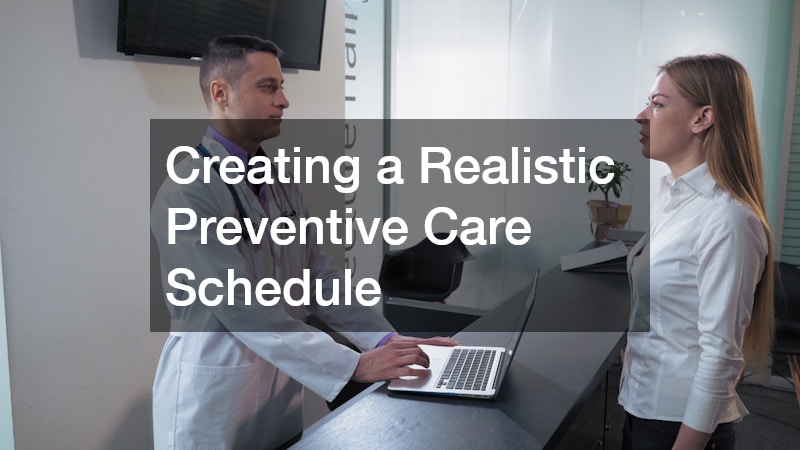
With so many appointments and considerations to juggle, having a simple system in place makes preventive care far more manageable. Rather than trying to remember every recommendation, build a basic calendar that tracks annual physicals, dental visits, and any specialist follow-ups throughout the year. This removes the guesswork and makes it far less likely that something important slips through the cracks.
Involve your whole household in this process, since preventive care habits are often easier to maintain when shared as a family effort. Small consistent steps, taken together, add up to significant protection over the years. The goal is not perfection but steady, realistic follow-through.
- Set recurring reminders for annual checkups and screenings
- Keep a shared family calendar for appointments and renewals
- Reassess your preventive care plan each year as needs change
- Celebrate small wins, like completing a full year of scheduled visits
Conclusion
Protecting your long-term health does not require drastic lifestyle overhauls or perfect follow-through on every recommendation. It comes down to consistent, informed decisions made one appointment, one conversation, and one preventive step at a time. Start small by reviewing what is missing from your own routine, whether that is a checkup you have been postponing or a financial plan you have not revisited in years. Your future self will benefit from the groundwork you lay today.