Highlights:
-
Understand the fundamental structure and immediate goals of residential treatment programs.
-
Learn how 24/7 medical supervision enhances safety during the early stages of recovery.
-
Discover the rigorously scheduled daily routines patients can expect during their stay.
-
Explore the evidence-based behavioral therapies used to address addiction and mental health.
-
Identify the critical role that a specialized, supportive community plays in long-term success.
-
Gain actionable insights into preparing for the transition back to daily life after a facility.
Making the decision to seek help is a profound first step toward recovery, but understanding the next phases can feel overwhelmingly complex. Choosing the right inpatient rehab provides a structured, supportive environment where individuals can focus entirely on healing without the distractions of everyday life.
This comprehensive guide delivers essential information, breaking down the core components of residential treatment programs to help patients and their families prepare for the journey ahead. Knowing this foundational inpatient rehab will empower you to navigate recovery confidently.
What Exactly Happens During the Initial Admission Process?
The admission process is designed to evaluate a patient’s medical and psychological needs immediately upon arrival. Medical professionals conduct comprehensive assessments, including physical exams, blood panels, and in-depth psychological evaluations, to create a highly personalized care plan. This critical first step ensures that any immediate medical concerns, such as life-threatening withdrawal symptoms, are managed safely under 24/7 supervision. Facilities prioritize physical stabilization before rigorous therapeutic work begins. According to the Substance Abuse and Mental Health Services Administration (SAMHSA), individualized treatment planning is crucial because no single approach works for everyone. During this initial intake phase, dedicated staff members also review the facility’s overarching rules, search luggage for prohibited items to maintain safety, and help the patient settle comfortably into their residential room. This structured transition drastically reduces early anxiety, establishes trust, and creates a highly controlled environment where the individual can focus entirely on recovery without external triggers or access to harmful substances.
What Are the Key Benefits of Choosing Residential Care?
Residential care offers unparalleled advantages for individuals requiring intensive support, primarily by removing them from environments that trigger substance use. The immersive nature of the program ensures continuous care and focus.
-
24/7 Medical Supervision: Patients receive round-the-clock medical monitoring, which is particularly vital during the detoxification phase to manage dangerous withdrawal symptoms safely and comfortably.
-
Structured Environment: A highly organized daily schedule eliminates idle time, helping individuals rebuild healthy routines and focus entirely on their therapeutic activities.
-
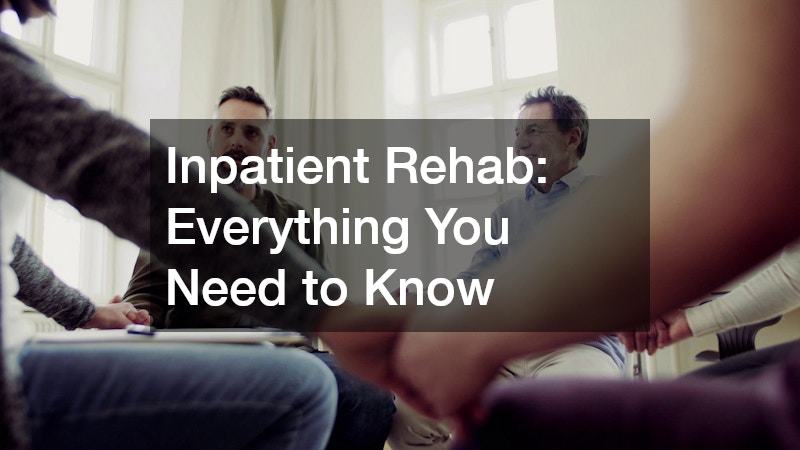
Peer Support Community: Living alongside others facing similar challenges fosters deep empathy, reduces isolation, and builds a built-in support network for the future.
-
Intensive Therapy: Access to multiple individual and group therapy sessions daily accelerates the emotional healing process compared to standard outpatient models.
The National Institute on Drug Abuse (NIDA) highlights that treatment must be readily available and continuously adjusted to meet the patient’s changing needs, a standard easily met in a residential setting.
How Is a Typical Day Structured for a Patient?
A typical day is rigorously scheduled to provide predictability and minimize the anxiety often associated with early recovery. Mornings generally begin early with a nutritious breakfast, often followed by a guided wellness activity like yoga, stretching, or mindfulness meditation to set a positive, focused tone for the day. The core of the schedule is dedicated to intensive clinical therapy. Patients attend multiple specialized group sessions focusing on psychoeducation, coping strategies, and relapse prevention, interspersed with one-on-one counseling where they delve deep into the root causes of their addiction. Afternoons might include experiential activities such as art therapy, equine therapy, or supervised fitness training, recognizing that physical health is deeply intertwined with lasting mental well-being. Evenings usually wind down with community support group meetings, such as 12-step or SMART Recovery programs, followed by personal journaling and reflection time before a designated lights-out period. This strict, unwavering routine helps patients re-establish a much-needed sense of normalcy and self-discipline.
What Specific Therapies Form the Core of the Treatment Plan?
Treatment centers rely on evidence-based therapies to address both the behavioral and psychological aspects of addiction, ensuring a comprehensive approach to true healing.
-
Cognitive Behavioral Therapy (CBT): This foundational therapy helps patients identify and modify negative thought patterns that lead to destructive behaviors, teaching them actionable coping mechanisms.
-
Dialectical Behavior Therapy (DBT): Originally designed for borderline personality disorder, DBT is highly effective in teaching emotional regulation, distress tolerance, and mindfulness to prevent relapse.
-
Family Therapy: Addiction affects the entire family unit; these sessions aim to repair broken trust, improve communication, and establish healthy long-term boundaries.
-
Trauma-Informed Care: Many individuals struggling with addiction have underlying trauma. Therapies like EMDR are often utilized to safely process these past events.
According to the Mayo Clinic, effective treatment often integrates these psychotherapies with precise medication management, addressing co-occurring mental health conditions simultaneously for a holistic recovery.
Why Is Aftercare Planning Considered the Most Crucial Phase?
Aftercare planning is the vital bridge between the secure environment of a residential facility and the complex realities of daily life, and it begins long before a patient is officially discharged. Preparing for the transition out of full-time care is arguably just as important as the initial admission. Dedicated case managers work closely with patients to develop a robust, actionable blueprint that actively minimizes the risk of relapse. This comprehensive plan often includes securing safe sober living arrangements, scheduling ongoing intensive outpatient therapy (IOP), and connecting the individual with local, accessible peer support groups. It is ultimately about building a sustainable, long-term safety net.
Without a solid aftercare strategy, the vital coping mechanisms learned during treatment can quickly erode when an individual is faced with familiar, real-world stressors. Returning to an unsupported home environment is a primary driver of relapse, which makes these transitional steps a non-negotiable part of the overarching recovery journey. Properly executed, this phase turns a temporary intervention into a lifetime of sobriety. Integrating the right inpatient rehab strategy here means knowing exactly who to call when unforeseen cravings inevitably strike.
Embarking on the journey of recovery requires courage, commitment, and a clear understanding of the road ahead. By demystifying the daily routines, therapeutic approaches, and long-term planning involved in care, individuals can step into treatment with confidence. Completing an inpatient rehab program is not the end of the journey, but rather the essential foundation for a healthier, substance-free life. With the right preparation, medical support, and a comprehensive aftercare plan, lasting transformation is entirely within reach.