Relocating to a new neighborhood, transitioning to a different phase of life, or simply realizing that your current support network is lacking can all prompt a deep dive into the resources available in your area. The challenge of local care navigation is universally understood; it is incredibly overwhelming to research, vet, and confidently choose the right providers when you are simultaneously juggling work, family responsibilities, and daily life. Too often, people wait until a crisis strikes—a sudden fever in the middle of the night, a debilitating sports injury, or a frightening incident with a family pet—to begin searching for help. This reactive approach almost always leads to elevated stress, poor decision-making under pressure, and potentially compromised health outcomes.
The most effective strategy for managing your household’s well-being is to adopt a philosophy of proactive care planning. Building a pre-vetted, highly researched directory of essential community services before you actually need them saves precious time and dramatically reduces emotional friction. When you know exactly who to call and where to go during both routine checkups and high-stress situations, you regain a profound sense of control over your environment.
This comprehensive guide is designed to serve as your definitive, step-by-step framework for auditing the resources around you. We will walk through exactly how to evaluate, select, and build relationships with top-tier local care providers for every member of your family. By systematically assessing baseline medical needs, specialized treatments, daily support systems, and emergency protocols, you can create an unbreakable safety net for your household.
Establish Your Baseline for Primary and Non-Emergent Medical Needs
The cornerstone of any personal health strategy is establishing a dedicated medical home. A medical home is not merely a building; it is a comprehensive, centralized approach to your primary healthcare. This is where your foundational medical records live, where your preventative screenings are tracked, and where doctors who intimately know your personal and familial health history coordinate your ongoing treatments. Relying solely on fragmented, disconnected doctor visits practically guarantees that crucial details about your chronic disease management, prescription interactions, or subtle changes in your baseline health will slip through the cracks. Therefore, prioritizing the continuum of care and accessibility when choosing your primary health partners is absolutely critical.
When beginning your search, you must meticulously evaluate the credentials, operational style, and patient accessibility of potential providers. You want to look for reputable family care clinics that not only accept your specific health insurance network but also offer modern conveniences that make managing your health easier. Do they feature a robust digital patient portal where you can securely message your doctor, view lab results in real-time, and request prescription refills without spending an hour on hold? Do they employ board-certified practitioners who prioritize listening and collaborative health planning over rushed, ten-minute appointments? Touring these facilities or conducting a preliminary telemedicine “meet and greet” can reveal a lot about their bedside manner and administrative efficiency.
However, even the most accessible primary physician will not be available 24 hours a day, seven days a week. Illnesses and minor injuries have a frustrating tendency to occur on weekends or after standard business hours. This is where you must analyze after-hours alternatives that bridge the crucial gap between your primary doctor and the chaotic, highly expensive environment of a hospital emergency room. You should pre-map the closest urgent cares in your neighborhood. Take the time today to verify their operating hours, understand their standard copay structures, and check if they have on-site diagnostic equipment like basic X-ray machines or rapid strep testing. Knowing this information beforehand ensures that when an unexpected minor burn, sprain, or sudden fever occurs, you are not frantically searching the internet while trying to comfort a sick family member.
-
Verify Insurance Tiering: Always call your insurance provider directly to confirm that your chosen primary facility is considered “in-network,” as out-of-network costs for routine labs can be exorbitant.
-
Investigate Patient Portals: A modern clinic should offer an app or secure website for appointment scheduling, viewing test results, and direct messaging with nursing staff.
-
Check After-Hours Triage Lines: Ask if the primary office has a 24-hour nurse triage line to help you decide if a symptom can wait until morning or requires immediate attention.
-
Understand Walk-In Capabilities: Clearly differentiate between facilities that handle life-threatening trauma and those designed exclusively for minor, non-life-threatening ailments.
-
Assess Proximity and Parking: When you are feeling terrible, a complicated commute or difficult parking situation can be a major barrier to seeking prompt help.
Evaluate Specialized Musculoskeletal and Restorative Treatment Centers

While a general practitioner is excellent for managing overall health, certain physiological issues require an entirely different level of diagnostic expertise. Musculoskeletal health—encompassing your bones, joints, ligaments, tendons, and muscles—is one of the most complex systems in the human body. Whether you are dealing with a repetitive strain injury from working at a desk, a severe sports-related tear, or the degenerative realities of arthritis, you must demand specialized diagnostic precision. General evaluations often fall short when dealing with intricate joint mechanics, leading to misdiagnoses, prolonged pain, and ineffective treatment plans.
To properly safeguard your mobility, you must proactively identify and vet highly specialized facilities. Seek out board-certified orthopedic clinics that house sub-specialists in specific fields. A facility that has dedicated experts for spinal health, sports medicine, hand and wrist mechanics, or total joint replacements is far more likely to offer cutting-edge, targeted interventions than a generalized surgical center. You should verify that these facilities have immediate access to high-resolution imaging technologies, such as advanced MRIs, CT scans, and digital X-rays. Without these tools, doctors are merely guessing at the extent of soft tissue damage or micro-fractures.
Equally important to the initial diagnosis and acute medical intervention is the continuum of recovery protocols. Surgery or bracing is only the first step; regaining full, pain-free mobility requires dedicated, scientific rehabilitation. A seamless transition from acute care to active, hands-on recovery is vital. You must audit local centers offering physical therapy rehab to ensure their treatment philosophies align with best practices. Avoid facilities that rely heavily on unmonitored group exercises or passive treatments like simply applying ice and heat. Instead, prioritize centers that offer individualized, one-on-one sessions with licensed therapists who utilize manual manipulation, specialized strengthening regimens, and comprehensive gait analysis to permanently correct biomechanical imbalances.
-
Look for Sub-Specialization: Ensure the facility has distinct experts for different body parts (e.g., a dedicated shoulder specialist rather than a general surgeon).
-
In-House Diagnostic Imaging: Facilities with their own MRI or X-ray machines drastically reduce the time between injury, diagnosis, and treatment.
-
Verify Therapy Credentials: Check that the recovery center employs Doctors of Physical Therapy (DPTs) and certified athletic trainers.
-
Demand Individualized Attention: Ask about their therapist-to-patient ratio; you should receive dedicated, one-on-one manual therapy during your sessions.
-
Review Post-Surgical Protocols: A great recovery center will communicate directly with your surgeon to ensure your rehabilitation timeline perfectly matches your healing tissue.
Vet Providers for Acute Dental Crises and Complex Tissue Management
Many people successfully establish general medical care but completely overlook specialized areas that are highly prone to sudden, severe complications: oral health and complex tissue healing. Dental emergencies are notoriously painful and can escalate from a mild ache to a systemic infection in a matter of hours. Standard dental offices typically operate on strict schedules booked months in advance, making it incredibly difficult to get a same-day appointment when you break a tooth or develop a severe abscess. Planning for urgent oral interventions is a mandatory component of community care navigation.
You need to proactively identify emergency dentists in your immediate radius who offer dedicated on-call availability, state-of-the-art sedation options, and guaranteed same-day appointments for trauma. If you or a family member suffers a knocked-out tooth, the window for successful reimplantation is often less than an hour. Having the contact information and physical address of an after-hours oral care provider readily available is the only way to beat that ticking clock. When vetting these providers, inquire about their specific protocols for handling severe facial trauma, their capabilities for immediate root canals, and whether they have dental anesthesiologists on staff for patients experiencing extreme pain or anxiety.
Parallel to oral crises, managing severe, non-healing skin and tissue issues requires highly specialized, often hard-to-find outpatient care. Complex wounds—such as severe burns, surgical incisions that fail to close, or diabetic foot ulcers—cannot be managed with simple bandages and over-the-counter ointments. You must check for advanced healing modalities in your regional medical network. Ensure you have access to dedicated wound care services that employ specialized nurses and doctors. These elite facilities utilize aggressive, modern treatments like hyperbaric oxygen therapy chambers, specialized bio-engineered tissue grafts, and negative pressure vacuum therapies to stimulate cellular regeneration and prevent limb amputation.
-
Confirm 24/7 Dental Availability: Call prospective dental offices to ask explicitly what their protocol is if you experience severe trauma at 2:00 AM on a Sunday.
-
Check for Advanced Sedation: Inquire if the oral facility offers IV sedation or nitrous oxide, which are crucial for managing severe acute pain.
-
Assess Complex Tissue Expertise: Look for centers that are explicitly certified in hyperbaric medicine and advanced tissue grafting.
-
Review Diabetic Care Protocols: If anyone in your family is diabetic, establishing a relationship with a tissue-healing specialist is critical for preventing minor scrapes from becoming limb-threatening infections.
-
Verify Interdisciplinary Communication: Ensure these specialized providers have a system for sharing records with your primary care physician to maintain holistic health oversight.
Audit Essential Daily Care and Routine Support Systems for the Household

While medical facilities protect you during illnesses, the daily operational success of your household relies heavily on routine support systems, particularly for the most vulnerable members of your family: children and pets. Choosing the right environment for early childhood development is one of the most stressful decisions a parent can make. You are not just looking for a babysitter; you are looking for a foundational educational environment that prioritizes emotional intelligence, physical safety, and cognitive growth.
To make an informed decision, you must rigorously verify safety and early education standards. Schedule comprehensive, in-person walk-throughs at any prospective child care center on your shortlist. During these tours, pay close attention to the structural safety of the building, the cleanliness of the play areas, and the strictness of their security protocols regarding who is allowed to pick up a child. Furthermore, you must interrogate their hiring practices. Demand transparency regarding staff-to-child ratios, mandatory background check protocols, CPR certifications, and the specific curriculum or educational philosophy (such as Montessori or Reggio Emilia) they employ to foster early learning.
Similarly, the daily support system for your household pets requires careful consideration. Establishing routine preventative pet wellness is the key to ensuring your animals live long, pain-free lives. You need a veterinary partner who views you as a collaborator in your pet’s health. Take the time to build a relationship with a trustworthy local animal clinic that emphasizes comprehensive preventative wellness plans rather than just treating symptoms as they arise. When vetting these neighborhood clinics, assess their communication style, the cleanliness of their waiting rooms, their transparency regarding the pricing of vaccines and routine dental cleanings, and their willingness to thoroughly explain preventative protocols for heartworm, fleas, and ticks based on your specific geographic region.
-
Demand Unannounced Tour Policies: Reputable childhood facilities will allow parents to drop in unannounced to observe the natural, day-to-day environment.
-
Scrutinize Child-to-Staff Ratios: Ensure the facility strictly adheres to, or ideally improves upon, state-mandated ratios to guarantee your child receives adequate attention.
-
Review Pet Preventative Plans: Look for neighborhood veterinary offices that offer bundled wellness packages, which can make routine bloodwork and vaccines more affordable.
-
Evaluate Facility Hygiene: Whether for children or pets, the facility should be immaculately clean, free of overwhelming odors, and highly organized.
-
Check Staff Turnover Rates: High turnover in either childhood education or veterinary medicine is a massive red flag indicating poor management or stressful working conditions.
Prepare for Critical After-Hours Veterinary Crises
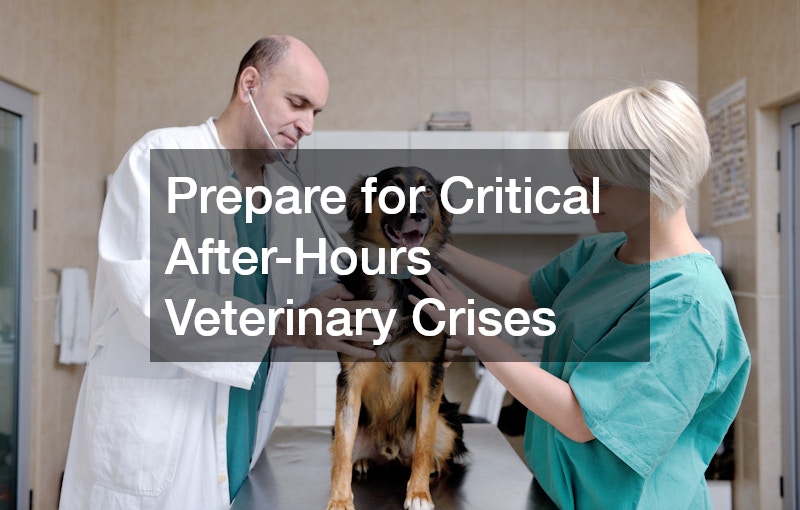
Just as human medical emergencies rarely adhere to a convenient nine-to-five schedule, veterinary crises often happen in the middle of the night or on holiday weekends. Whether your dog ingests a toxic substance, your cat experiences a sudden urinary blockage, or a pet is involved in a severe physical accident, every second counts. Standard neighborhood veterinary offices are simply not equipped, staffed, or open to handle catastrophic trauma at 3:00 AM. Failing to prepare for this specific scenario often leads to frantic, panicked driving while trying to Google open locations, which can be a fatal delay for a critically injured animal.
You must proactively locate specialized trauma facilities for animals in your region. It is vital to understand the profound difference between a standard daytime vet and a fully operational, 24-hour trauma center. You need to identify emergency veterinarians who are board-certified in critical care. These specialists have undergone rigorous additional training specifically designed to manage shock, severe hemorrhaging, acute organ failure, and complex toxicities. Keep their direct phone numbers, addresses, and alternate driving routes saved in your phone and physically posted on your refrigerator. Do not wait for an emergency to figure out how long the drive takes; do a practice run so you know exactly where the building is, where to park, and which door to enter during a high-stress, adrenaline-fueled situation.
Furthermore, you must analyze the triage and intensive care capabilities of these specialized hospitals. A true crisis center is equipped with life-saving technology that mirrors a human hospital. When evaluating an emergency animal clinic, verify that they have immediate on-site blood banking for transfusions, specialized oxygen cages for respiratory distress, and fully staffed surgical suites ready to operate at a moment’s notice. They should also possess advanced in-house diagnostic laboratories to run comprehensive blood panels in minutes, as well as critical care monitoring equipment (like continuous ECGs and blood pressure monitors) to keep unstable patients alive through the night.
-
Verify True 24/7 Operations: Ensure the facility is actually staffed with doctors overnight, not just a single monitoring nurse or an “on-call” system that requires the vet to drive in from home.
-
Check for Advanced Life Support Equipment: Confirm the presence of oxygen therapy, mechanical ventilators, and fully equipped surgical suites.
-
Inquire About Specialist Access: Find out if the trauma center has rapid access to board-certified veterinary neurologists, cardiologists, or internal medicine specialists for complex cases.
-
Understand Financial Protocols: Trauma care is expensive; ask upfront about their payment policies, accepted pet insurance, and whether they offer third-party financing options like CareCredit.
-
Plan the Route: Literally map and drive the route to the trauma center during different times of day to account for traffic, construction, and exact parking locations.
Conclusion
Navigating the vast and often confusing landscape of community care services does not have to be an exercise in frustration. By shifting your mindset from reactive panic to proactive preparation, you are fundamentally changing how your household interacts with the world. The ultimate value of taking the time to research, visit, and evaluate these facilities today is the profound, enduring peace of mind it provides for tomorrow. Knowing that you are surrounded by capable, highly vetted professionals allows you to face life’s inevitable curveballs with clarity, confidence, and calm.
We strongly encourage you to take the insights from this guide and immediately put them into practice. Create a comprehensive, easily accessible personal directory—both as a saved document on your phone and a printed copy in your home. Compile the names, addresses, hours, and contact information for your chosen primary care doctors, specialized diagnostic centers, urgent response teams, and routine care providers. Share this master list with everyone who plays a role in your household’s safety, including babysitters, trusted neighbors, and house sitters.
A well-prepared household is a resilient household. Take the first step today by mapping out your baseline medical needs, and systematically build your safety net from there. Your future self, your family, and your pets will thank you for the diligence, effort, and care you invested before the storm ever arrived.