In the modern healthcare landscape, patients have more options than ever when it comes to choosing how to receive medical care. Two common choices are urgent care services and primary care, each serving distinct purposes that cater to different patient needs. Understanding the differences between these two types of care is crucial for making informed decisions about personal health management.
What are Urgent Care Services?
Urgent care services are walk-in clinics that offer immediate healthcare assistance for a range of minor injuries and illnesses. These facilities fill a critical gap in healthcare accessibility by providing care when primary care offices are typically closed, such as evenings and weekends. Designed for convenience, patients can receive prompt attention without the need for an appointment.
Common conditions treated at urgent care centers include sprains, minor fractures, cuts needing stitches, and infections such as the flu or strep throat. These facilities are equipped with diagnostic tools like X-rays and laboratory testing to quickly identify and treat patient concerns. Unlike emergency rooms, urgent care services are typically more affordable and faster, as they focus on non-life-threatening conditions only.
The rise in popularity of urgent care services can be attributed to their accessibility and efficiency, providing a viable solution for individuals who need immediate attention yet can avoid the costly and lengthy process associated with emergency room visits. However, it’s important for patients to understand that urgent care is not a substitute for comprehensive, continuous care provided by primary care physicians. When managing chronic illnesses, preventative care, or complex conditions, primary care is the more appropriate option.
What Is the Role of Primary Care
Primary care functions as the first point of contact in the healthcare system, aiming to provide holistic and ongoing health management. Individuals typically establish long-term relationships with their primary care physicians, enabling personalized care tailored to their unique medical histories and lifestyle goals. This continuous care model contributes significantly to long-term health outcomes, emphasizing preventive measures and early intervention.
Primary care physicians manage a broad spectrum of health issues, from routine check-ups and vaccinations to managing chronic diseases like diabetes, hypertension, and asthma. By overseeing all aspects of patient health, primary care providers coordinate with specialists when necessary, ensuring cohesive and comprehensive care. This integrated approach often results in better health outcomes, as it enables close monitoring and timely adjustments to treatment plans.
While primary care appointments typically require more planning due to longer wait times, they are essential for maintaining general health and preventing complications. Unlike the episodic nature of urgent care services, primary care focuses on the continuity of care, making it indispensable for patients seeking long-term health management. It is in these long-term relationships where personalized, high-quality care can thrive, ultimately leading to healthier patient populations.
When Should You Choose Urgent Care Services vs. Primary Care?
Deciding between urgent care services and primary care depends largely on the immediacy and nature of the medical issue at hand. For urgent situations that are not life-threatening but require prompt attention, urgent care services are an ideal choice. They offer flexibility and speed that can be especially beneficial for unexpected minor injuries and sudden illnesses.
For ongoing health management, preventive care, and chronic condition management, primary care remains the cornerstone of personal health. Regular check-ups with a primary care physician help detect issues early, before they escalate into more serious problems. Routine visits foster a comprehensive view of the patient’s health, allowing for better-tailored treatment strategies and a proactive approach to well-being.
Ultimately, both urgent care services and primary care serve indispensable roles within the healthcare system. They complement each other, offering patients choices that align with their immediate and long-term health needs. Educating patients about these differences empowers them to seek the appropriate level of care for their specific situations, ensuring both convenience and comprehensive health management.
The healthcare options available today present patients with greater flexibility, allowing them to choose how and when they receive medical care. Understanding the key differences between urgent care services and primary care is fundamental in utilizing these options effectively. Each serves a distinct function in addressing the diverse health needs faced by individuals.
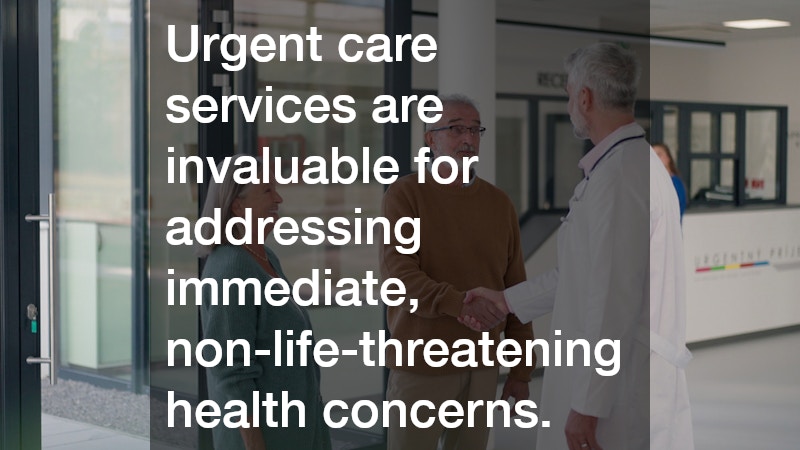
Urgent care services are invaluable for addressing immediate, non-life-threatening health concerns when primary care offices are unavailable. They bridge a crucial gap between primary care and emergency departments, ensuring that patients receive timely treatment for acute issues. Conversely, primary care offers an overarching, continuous approach to health management, emphasizing prevention, diagnosis, and long-term patient-doctor relationships.
By recognizing when to choose one form of care over the other, patients can optimize their healthcare experience, gaining timely access to necessary treatments and maintaining overall well-being. Educated choices regarding healthcare services not only enhance individual health outcomes but contribute to a more efficient and effective healthcare system for all.