This article explores the day-to-day experiences of home health care aides, highlighting their vital roles and responsibilities. These individuals provide essential services crucial to the well-being of their clients.
From personal care to health monitoring, their work is diverse and demanding. We aim to highlight their indispensable contributions, struggles, and the fulfillment they find in their work.
What are the primary responsibilities of a home health care aide?
Home health care aides handle personal care tasks, ensuring clients meet their hygiene needs. This includes aiding in bathing, essential for cleanliness and dignity. Trained to approach each client’s unique needs with sensitivity, aides adapt daily to different environments. Their role is crucial for clients to maintain normalcy and comfort amid health challenges. Additionally, they provide emotional support, cultivating a positive environment for clients to thrive in.
Assisting with mobility focuses on client safety. Many clients have limited mobility, requiring aides to provide physical support and encourage independence. Proper training in safe client movement is essential, with aides vigilant to prevent accidents or discomfort. They also implement exercises to enhance mobility, tailoring approaches to each client’s capabilities.
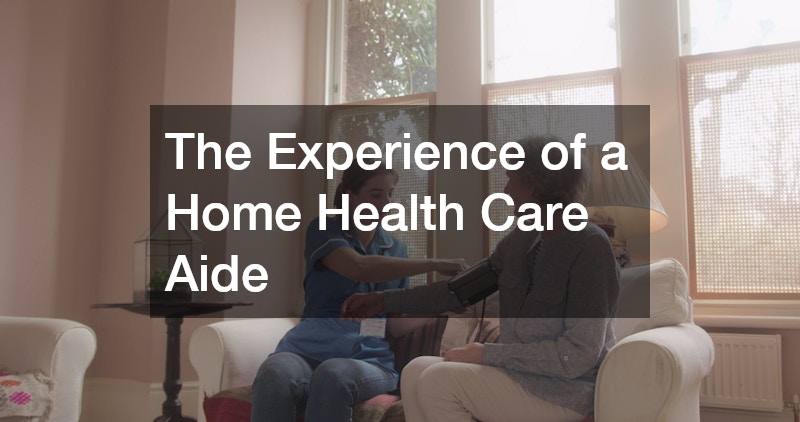
Health monitoring involves checking vital signs and observing changes, crucial for clients with limited contact with family or healthcare professionals. Aides efficiently communicate observations to medical supervisors, ensuring timely intervention and care. Proficiency in using medical equipment for monitoring enhances the effectiveness of this responsibility.
What skills are needed to be successful in this role?
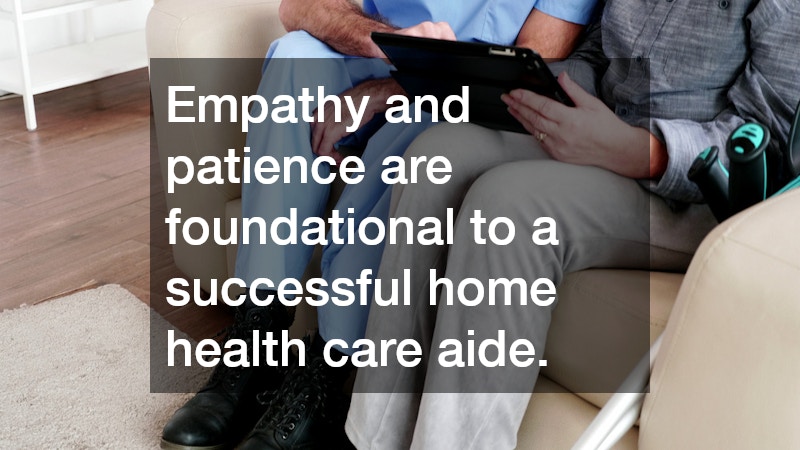
Empathy and patience are foundational to a successful home health care aide. Understanding client experiences is essential, fostering trust and personal care. Patience ensures aides handle responsibilities calmly, managing difficult situations sensitively. Developing a strong emotional intelligence further aids in dealing with diverse client emotions and reactions.
Effective communication bridges the gap between client needs and care. Aides must articulate clearly with clients, families, and healthcare professionals to convey changes in health or routines efficiently. Active listening skills enhance understanding and responsiveness to client needs and concerns.
Physical stamina is crucial due to the job’s physical demands, requiring aides to assist clients frequently and sustain long hours. A well-maintained physical condition enhances sustained care quality. Incorporating regular fitness routines helps aides maintain the necessary endurance for daily tasks.
How is a typical day structured for a home health care aide?
A typical day starts early, preparing aides and clients for the day. Tasks include morning routines, medications, and hygiene care, structured for efficient time management. Midday involves active interaction, with lunch preparation and client engagement in various activities. Afternoon focuses on winding down, assisting with light meals, and documenting care to ensure continuity. Evening tasks may include organizing and planning for the next day to streamline future care activities. Regular training updates are essential to keep abreast of new techniques and care protocols, ensuring optimal client care.
What are the challenges faced in the role of a home health care aide?
Aides face emotional stress from client relationships, managing these emotions within professional boundaries to prevent burnout. Support networks provide essential emotional balance. Physical demands also pose challenges, requiring aides to maintain fitness and prevent injury. Efficient time management is crucial, adapting priorities and schedules flexibly amid client needs. Acknowledging and reflecting on daily experiences through journaling can help process stress and reinforce learning. Another significant challenge is navigating complex family dynamics, which can impact the care approach and require sensitive handling.
What are the benefits and rewards of being a home health care aide?
The primary reward is the personal satisfaction of impacting clients positively, witnessing improvements and gratitude. This intrinsic motivation often reinforces the aide’s dedication to their profession, knowing their contributions lead to direct improvements in someone’s quality of life.
Flexible work schedules offer a work-life balance, accommodating personal pursuits. This flexibility is crucial for those juggling multiple responsibilities, providing peace of mind in maintaining both professional and personal commitments.
Aides gain valuable experiences, enhancing their skills and ensuring job security amid growing demand, turning the career into a committed vocation. Moreover, continuous learning opportunities within this field enable aides to stay current with best practices and technological advancements.
Fostering strong bonds with clients and families often leads to lasting and fulfilling relationships. These connections frequently extend beyond professional boundaries, enriching the aide’s interpersonal skills and personal growth.
The role of a home health care aide is multifaceted and essential, despite challenges like physical and emotional demands. The rewards are evident in personal fulfillment and client impacts. Highlighting their experiences and dedication emphasizes the importance of their profession, advocating for recognition and appreciation of their invaluable services. Continuous education and training opportunities further bolster a sense of professional growth and accomplishment.