Maintaining good oral health goes far beyond having a bright smile or fresh breath. Regular dental visits are a crucial component of overall health, impacting everything from heart function to diabetes management. Unfortunately, many people underestimate the value of consistent dental checkups, often visiting a local dentist only when a problem arises. In reality, proactive dental care can prevent serious health complications and improve quality of life. Dental professionals are trained to recognize early warning signs that most patients would miss. By detecting problems early, they can intervene before minor issues escalate into major health concerns. This article explores why regular dental visits are essential and how they support your overall health.
Understanding the Connection Between Oral and Overall Health
Oral health is often treated as separate from general health, but research shows the two are deeply interconnected. Bacteria in the mouth can enter the bloodstream, triggering inflammation that affects multiple organ systems. Gum disease, tooth decay, and untreated infections are linked to conditions such as heart disease, stroke, and diabetes. Beyond obvious dental issues, systemic conditions often manifest first in the mouth through bleeding gums, mouth sores, or dry mouth. A dentist acts as a front line in spotting these symptoms, sometimes even before patients experience broader health problems. Skipping dental visits can delay diagnosis of these systemic issues, potentially allowing them to worsen unnoticed. Regular checkups, therefore, are an important preventive measure that benefits both oral and overall health.
Preventing Gum Disease Before It Spreads
Gum disease, or periodontitis, begins as mild inflammation of the gums and can progress to severe infection if left untreated. Early stages are often painless, making regular dental exams critical for detection. Gum disease doesn’t just affect the mouth—it has been linked to cardiovascular problems. Inflammation from gum infections can increase the risk of heart attacks and strokes. Regular visits allow dentists to perform deep cleanings that remove plaque and tartar buildup, areas that home care alone cannot always reach. A dentist can also provide tailored advice on brushing and flossing techniques that specifically target areas prone to disease. Preventive care not only preserves your teeth but also minimizes the risk of systemic complications tied to chronic inflammation.
Detecting Other Diseases Early
Dental visits can reveal signs of systemic illnesses such as osteoporosis, vitamin deficiencies, and autoimmune disorders. Changes in the oral cavity often precede noticeable systemic symptoms, giving dentists a unique role in early detection. Dentists monitor oral tissues, jawbone health, and gum condition, which can all indicate broader health issues. Identifying these signs early allows for prompt referrals to medical specialists, improving overall health outcomes. Routine visits create a record of oral changes over time, making it easier to spot abnormalities. Early detection through dental care ensures that treatment can begin before conditions become severe.
Oral cancer is a serious condition that can develop silently. Symptoms often appear in later stages, reducing survival rates. Regular dental visits include screenings for oral cancer, allowing dentists to identify abnormal tissue changes early. Early detection dramatically improves treatment outcomes, reducing the need for aggressive procedures like jaw reconstruction or chemotherapy. A dentist is trained to spot subtle signs such as discoloration, unusual lumps, or persistent sores that patients may overlook. Additionally, they can advise on lifestyle factors, such as tobacco or alcohol use, that increase oral cancer risk. By attending regular screenings, patients significantly improve their chances of catching oral cancer early, which can save lives and reduce treatment complexity.
Protecting Your Heart and Circulatory System
Studies have shown a strong link between oral health and cardiovascular health. Chronic inflammation from gum disease can increase arterial plaque buildup, leading to higher risks of heart attack and stroke. Bacteria from oral infections can enter the bloodstream, causing the body to respond with systemic inflammation that impacts heart health. Maintaining a healthy mouth reduces these bacterial threats and lowers inflammatory markers, contributing to better overall cardiovascular outcomes. Patients with existing heart conditions can benefit from preventive dental care as part of a comprehensive health strategy. A dentist may also collaborate with cardiologists to monitor patients at higher risk, making regular visits an essential part of integrated care. Simple interventions like professional cleanings and early cavity treatment can prevent conditions that exacerbate heart disease.
Managing Diabetes Through Oral Care
Diabetes and oral health share a two-way relationship. High blood sugar levels make individuals more susceptible to gum infections, while untreated gum disease can make blood sugar control more difficult. Regular dental visits allow for close monitoring of periodontal health, which is essential for diabetics. Dentists can identify early signs of infection or inflammation that might otherwise go unnoticed, helping patients prevent complications. They can also advise on specific oral hygiene routines and products that support blood sugar management. Studies have shown that effective periodontal care can improve glycemic control, highlighting the importance of dentistry in diabetes management. Regular dental visits, therefore, are not just cosmetic—they are a vital part of maintaining overall metabolic health.
Reducing the Risk of Respiratory Infections
Bacteria from the mouth can be inhaled into the lungs, contributing to respiratory conditions such as pneumonia, especially in older adults or those with compromised immune systems. Maintaining oral hygiene through regular dental visits minimizes the bacterial load in the mouth, reducing the likelihood of respiratory infections. A dentist can identify issues such as plaque accumulation, gum disease, or oral infections that may worsen lung conditions. Regular cleanings and checkups also reduce chronic inflammation that can exacerbate respiratory problems. Preventive care becomes especially important for patients with chronic lung conditions or those recovering from respiratory illnesses. By keeping the oral cavity healthy, patients strengthen a key defense against systemic infections that begin in the mouth.
Preventing Tooth Loss and Maintaining Function
Tooth loss can significantly impact nutrition, speech, and overall quality of life. When teeth are missing or damaged, patients may avoid certain foods, leading to deficiencies in essential nutrients such as protein, calcium, and vitamins. Decayed or infected teeth, if left untreated, often result in extractions that could have been prevented with timely intervention. Regular dental visits allow dentists to identify cavities, root infections, and structural problems early, offering treatments like fillings, crowns, or root canals to preserve natural teeth. Maintaining healthy teeth also helps ensure proper chewing function, which supports digestion and nutrient absorption. Preventing tooth loss protects jawbone integrity, as missing teeth can lead to bone resorption and changes in facial structure over time. Additionally, preserving natural teeth supports clear speech, reduces the risk of bite misalignment, and maintains overall oral function, all of which contribute to physical health and confidence.
Improving Digestive Health Through Proper Oral Care
The digestive process begins in the mouth. Chewing is the first step in breaking down food for nutrient absorption. Missing or damaged teeth can impair chewing efficiency, leading to digestive problems such as bloating or malnutrition. A dentist can identify and correct issues that interfere with chewing, such as misaligned teeth, tooth wear, or decay. Regular dental visits ensure that patients can properly process their food, facilitating better digestion and nutrient absorption. Maintaining a healthy oral environment also helps prevent infections that could indirectly affect the gastrointestinal system. Proper dental care, therefore, plays a crucial role in overall digestive health.
Enhancing Mental Health and Confidence
Oral health is closely tied to self-esteem and mental well-being. Missing teeth, chronic bad breath, or gum problems can impact social interactions and confidence. Regular dental visits prevent these issues, maintaining a healthy smile that boosts confidence and encourages social engagement. Addressing dental problems early also reduces stress associated with pain or embarrassment, contributing to better mental health. Patients who invest in preventive care often report improved self-image and overall life satisfaction. A dentist can provide guidance on cosmetic options, restorative treatments, and hygiene routines that reinforce both oral and mental wellness. Healthy teeth and gums support not only physical health but also emotional resilience.
Preventing Headaches and Jaw Disorders
Jaw problems, including temporomandibular joint (TMJ) disorders, are often linked to dental issues such as misaligned teeth or bite problems. These conditions can cause chronic headaches, jaw pain, and difficulty eating. Regular dental visits allow for early detection of jaw misalignment, teeth grinding, or other contributing factors. Dentists can recommend treatments such as bite guards, exercises, or referrals to specialists to prevent chronic pain. Managing these issues early reduces the risk of long-term complications that affect both comfort and function. By addressing minor dental issues proactively, patients can avoid persistent pain and preserve daily functionality.
Promoting Healthy Habits Through Professional Guidance
Dentists do more than treat problems—they guide patients toward healthy routines. From brushing and flossing techniques to dietary advice, dental professionals provide the tools needed for long-term oral and overall health. They can recommend specific products or routines tailored to each patient’s unique needs. Regular checkups reinforce these healthy habits and encourage accountability. Patients who receive consistent guidance are more likely to maintain proper hygiene, reduce plaque buildup, and prevent cavities and gum disease. Professional advice also includes lifestyle adjustments, such as minimizing sugary foods, that directly impact systemic health.
Enjoying the Financial Benefits of Preventive Dental Care
Although some view dental visits as an expense, preventive care is more cost-effective than reactive treatment. Early detection of cavities, gum disease, and other oral problems reduces the need for complex procedures such as root canals, extractions, or reconstructive surgery. Preventive care also reduces the likelihood of systemic health complications that could lead to costly medical interventions. Investing in dental visits prevents the financial and emotional burden of emergency procedures. Patients save money in the long run by addressing issues early rather than waiting for serious problems to develop. Regular dental visits, therefore, are an investment in both health and financial well-being.
Making the Most of Your Dental Visits
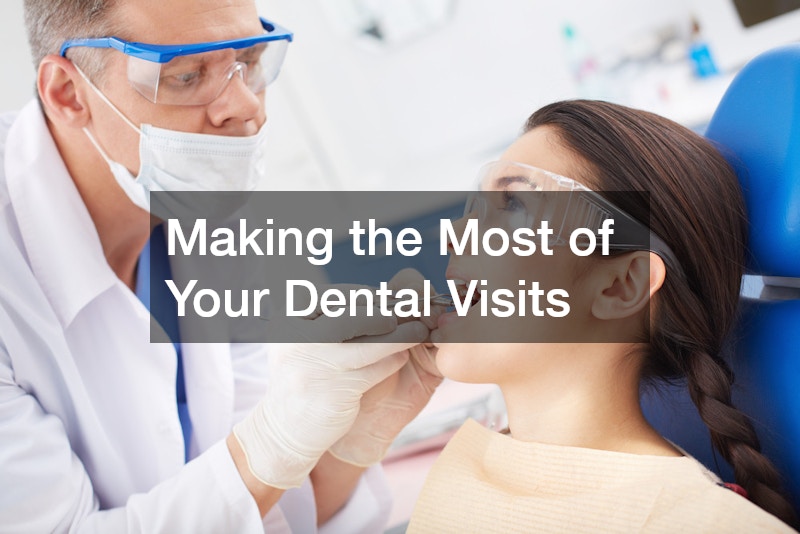
Most dental professionals recommend visiting at least twice a year for a checkup and cleaning, but the ideal frequency can vary based on individual risk factors. Age, medical conditions, oral health history, and lifestyle habits all influence how often a patient should see their dentist. High-risk patients—such as those with diabetes, heart disease, or a history of gum disease—may require more frequent visits to monitor and manage potential complications. Children, teens, and older adults may also benefit from additional appointments to track developmental changes, monitor jaw growth, or address age-related dental concerns. Your dentist can provide a personalized schedule designed to maximize preventive care and detect issues before they escalate. Adhering to these recommendations ensures that teeth, gums, and overall oral health are maintained, while also supporting systemic health by catching early warning signs of broader conditions.
To get the most from each dental visit, preparation is key. Bring an updated medical history, a list of current medications, and any oral concerns you may have noticed. Be ready to discuss lifestyle factors such as smoking, alcohol consumption, diet, and teeth grinding, as these habits can significantly impact oral and systemic health. Ask questions about proper brushing, flossing, and other hygiene practices tailored to your needs. Building a consistent relationship with your dentist allows them to track changes over time and provide timely interventions, reducing the risk of complications. Regular communication also ensures that minor problems—such as small cavities or gum inflammation—are treated early, preventing more complex and costly procedures later. By being proactive, informed, and engaged, patients can make each dental visit a powerful tool for maintaining long-term oral and overall health.
Regular dental visits are far more than routine cleanings—they are a cornerstone of overall health and well-being. Beyond maintaining a bright smile, they play a vital role in preventing gum disease, oral cancer, and tooth loss, while also supporting cardiovascular health, diabetes management, and digestive function. Prioritizing preventive visits allows patients to catch issues early, often before they become painful, expensive, or life-threatening. These appointments also provide an opportunity for dentists to educate patients on proper oral hygiene, dietary habits, and lifestyle adjustments that directly influence overall health. A healthy mouth is not just a cosmetic benefit—it is an essential component of long-term physical and mental wellness, boosting confidence and quality of life. By taking a proactive approach to dental care, individuals can reduce systemic inflammation, avoid preventable complications, and maintain functional teeth and gums that support nutrition, speech, and comfort. Ultimately, regular dental visits are an investment in both current well-being and future health, ensuring that oral and systemic systems remain strong and resilient for years to come.